Airborn Trail Essentials #3: 7 Mistakes First-Time Trekkers Make During Monsoon
Share
Monsoon is one of the most beautiful times to hit the trail.
The mountains are greener, waterfalls are at their peak, and familiar landscapes transform into breathtaking adventures. But while monsoon trekking can be incredibly rewarding, it also comes with unique challenges.
Many first-time trekkers make simple mistakes that can turn an enjoyable experience into an uncomfortable one.
The good news? Most of these mistakes are easy to avoid.
Here are seven common monsoon trekking mistakes and how you can prepare for a safer, more enjoyable adventure.
1. Wearing Cotton Clothing
Cotton may feel comfortable at home, but it's one of the worst choices for trekking.
Once wet, cotton absorbs moisture and takes a long time to dry. This can leave you feeling cold, uncomfortable, and heavier on the trail.
Instead, choose:
-
Quick-dry t-shirts
-
Moisture-wicking fabrics
-
Lightweight trekking apparel
Your clothing should help you stay comfortable, even when conditions change.
2. Ignoring Weather Forecasts
Mountain weather can change rapidly during monsoon.
Many trekkers assume a little rain won't matter, only to find themselves dealing with thunderstorms, low visibility, or slippery conditions.
Before every trek:
-
Check multiple weather sources
-
Monitor rainfall forecasts
-
Understand local conditions
A few minutes of preparation can prevent major problems later.
3. Choosing the Wrong Footwear
Monsoon trails are often slippery and uneven.
Running shoes with worn-out soles may not provide the grip needed for wet terrain.
Invest in trekking shoes that offer:
-
Strong traction
-
Good grip
-
Comfortable support
-
Reliable performance on wet surfaces
Footwear is one of the most important pieces of hiking gear you'll own.
4. Carrying Too Much Gear
Beginners often pack for every possible situation.
The result?
A heavy backpack that makes the trek more difficult than necessary.
Focus on essentials:
-
Water
-
Snacks
-
First-aid kit
-
Power bank
-
Rain protection
-
Lightweight trekking jacket
Pack smart, not heavy.
5. Not Carrying an Outer Layer
One of the most common monsoon trekking mistakes is assuming the weather will remain the same throughout the day.
Even if the trek starts warm and sunny, conditions can quickly become windy, misty, or rainy.
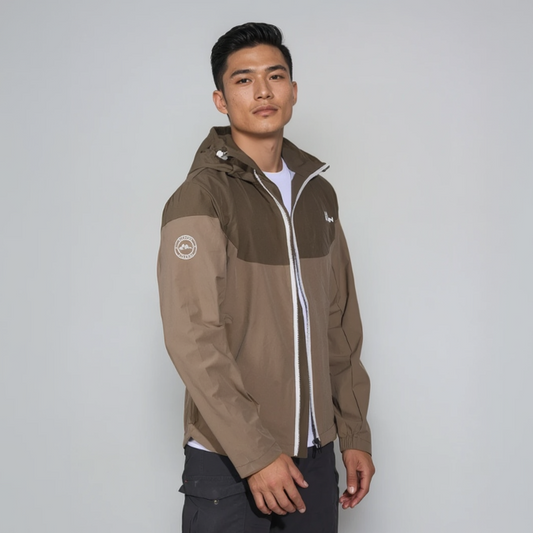
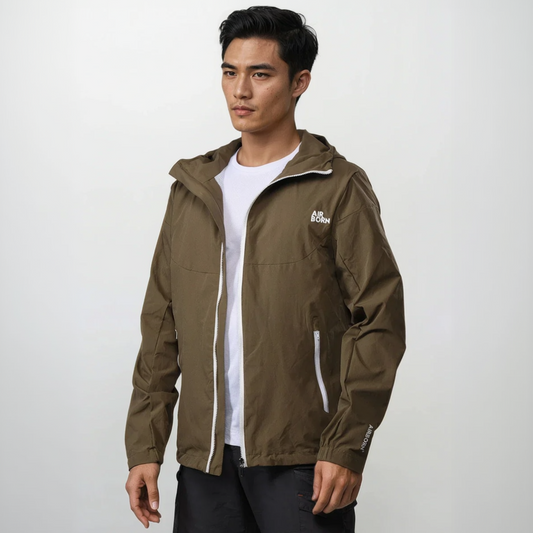
A lightweight trekking jacket helps provide:
-
Wind protection
-
Light rain resistance
-
Comfort during changing weather
-
Easy packability
Being prepared doesn't mean carrying more—it means carrying the right gear.
6. Skipping Hydration
Many trekkers drink less water during monsoon because the weather feels cooler.
This is a mistake.
Your body still loses fluids during physical activity, especially on long climbs.
Carry enough water and drink regularly, even if you don't feel thirsty.
Hydration directly affects energy, performance, and recovery.
7. Rushing the Trek
The mountains aren't going anywhere.
Many beginners focus only on reaching the summit and forget to enjoy the journey.
Monsoon trails can be slippery, making speed less important than stability.
Take your time.
Enjoy the waterfalls, the mist, the forests, and the views that make monsoon trekking special.
The experience matters more than the pace.
Final Thoughts
Every experienced trekker was once a beginner.
The difference is that experienced trekkers learn from mistakes and prepare for changing conditions.
By choosing the right clothing, carrying proper gear, staying hydrated, and respecting the weather, you'll be far better prepared for your next adventure.
And when the trail brings unexpected wind, mist, or rain, having a reliable outer layer can make all the difference.
That's why Airborn designs lightweight trekking jackets and durable outdoor gear built to keep you comfortable through changing weather, challenging trails, and every adventure ahead.
Stay tuned for the next edition of Airborn Trail Essentials, where we'll cover exactly what to pack for a one-day trek during monsoon season.