Airborn Trail Essentials #5: How to Layer Clothing for Changing Mountain Weather
Share
If you've spent enough time in the mountains, you've probably experienced all four seasons in a single day.
A cool morning can turn into a hot climb by afternoon. Clear skies can suddenly become windy and misty. That's why experienced trekkers rarely rely on a single piece of clothing.
Instead, they use a simple strategy called layering.
Layering helps you stay comfortable, regulate body temperature, and adapt to changing weather conditions without carrying excessive gear. It's one of the most valuable skills every trekker can learn.
Why Layering Matters
The biggest challenge during a trek isn't usually extreme weather—it's changing weather.
When you're climbing uphill, your body generates heat. During rest stops or windy sections, temperatures can feel much cooler.
Wearing multiple layers allows you to adjust your clothing based on activity level and weather conditions.
The result?
-
Better comfort
-
Improved temperature regulation
-
Less sweating
-
Better protection against wind and rain
The Three-Layer System
Most trekkers use a simple three-layer approach.
1. Base Layer
The base layer sits directly against your skin.
Its primary job is to manage moisture and keep sweat away from your body.
Choose:
-
Quick-dry t-shirts
-
Moisture-wicking fabrics
-
Lightweight synthetic materials
Avoid cotton whenever possible, especially during monsoon season.
Cotton absorbs moisture and takes longer to dry, making it less comfortable on the trail.
2. Mid Layer
The mid layer helps retain warmth.
Depending on the season, this could be:
-
A lightweight fleece
-
A thin insulated layer
-
A performance sweatshirt
For many monsoon treks in Maharashtra, a heavy mid layer isn't necessary. However, it becomes more useful during winter treks or high-altitude adventures.
The goal is warmth without excessive bulk.
3. Outer Layer
The outer layer protects you from the environment.
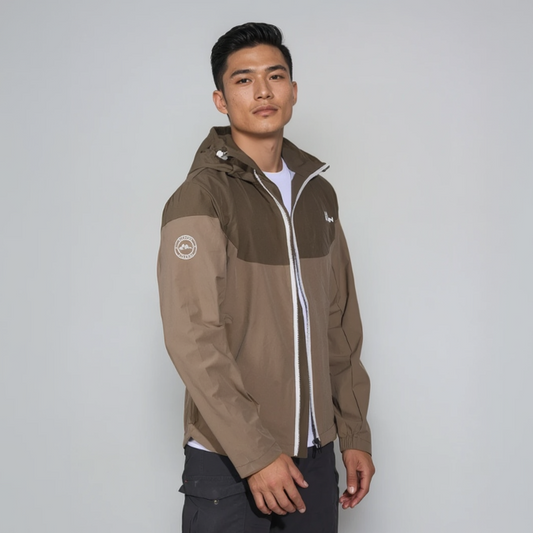
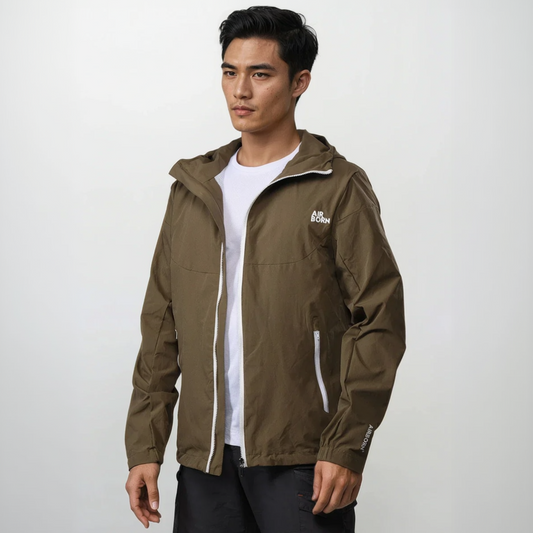
This is where a lightweight trekking jacket becomes important.
A good outer layer should provide:
-
Wind protection
-
Light rain resistance
-
Breathability
-
Freedom of movement
The best trekking jackets protect you from changing weather while remaining comfortable during long periods of activity.
Since the outer layer is your first line of defense against the elements, choosing the right one can significantly improve your trekking experience.
Common Layering Mistakes
Wearing Too Many Layers
More layers don't always mean more comfort.
Overdressing can cause excessive sweating, which may leave you feeling colder once you stop moving.
Choosing Cotton Clothing
Cotton retains moisture and dries slowly.
For outdoor activities, quick-dry fabrics are usually a better choice.
Ignoring Weather Changes
Many trekkers wait until they're already cold or wet before adding layers.
A better approach is to anticipate changing conditions and adjust early.
Layering for Monsoon Treks
For most monsoon treks in Maharashtra, a simple setup works well:
-
Quick-dry t-shirt (base layer)
-
Optional light mid layer (if needed)
-
Lightweight trekking jacket (outer layer)
This combination offers flexibility without adding unnecessary weight to your backpack.
Trail Tips
-
Remove layers before you become too warm.
-
Add layers before you become too cold.
-
Carry an outer layer even on short hikes.
-
Prioritize comfort and mobility.
Layering isn't about carrying more gear—it's about carrying smarter gear.
Final Thoughts
Mountain weather is unpredictable, but your comfort doesn't have to be.
Understanding how to layer clothing properly helps you stay prepared for changing conditions while keeping your backpack light and manageable.
Whether you're exploring a monsoon trail, climbing a fort, or heading into the mountains for a weekend adventure, a simple layering system can make every trek more enjoyable.
That's why Airborn designs lightweight trekking jackets and durable outdoor gear built to serve as the perfect outer layer—helping adventurers stay comfortable through changing weather, long trails, and every journey ahead.
Stay tuned for the next edition of Airborn Trail Essentials, where we'll explore why every trekker should own a lightweight trekking jacket and how it can become the most versatile piece of gear in your backpack.