Airborn Trailcraft #4: How to Prevent Blisters on Long Treks
共有
A blister may be small, but on a long trek, it can quickly become the biggest problem you're dealing with.
Many trekking adventures are cut short not because of fitness or weather, but because of foot discomfort. The good news is that most blisters are preventable with a few simple habits.
Whether you're preparing for your first hike or a multi-day trek, here's how to keep your feet comfortable on the trail.
Why Blisters Happen
Blisters are usually caused by friction.
When your feet repeatedly rub against socks or shoes, the skin becomes irritated and eventually forms a blister.
Common causes include:
-
Poorly fitting shoes
-
Wet socks
-
Long descents
-
Excessive moisture
-
Brand-new footwear
Understanding the cause is the first step toward prevention.
Choose the Right Footwear
Your shoes should feel comfortable from the start.
Look for:
-
Proper fit
-
Good heel support
-
Enough room for your toes
-
Reliable grip
One of the biggest mistakes trekkers make is wearing brand-new shoes on trek day.
Always break in your footwear before a major hike.
Wear Better Socks
Socks matter more than most people think.
Choose:
-
Moisture-wicking socks
-
Trekking-specific socks
-
Comfortable, breathable materials
Avoid thick cotton socks, especially during monsoon season.
Keeping your feet dry helps reduce friction.
Keep Your Feet Dry
Moisture is one of the biggest contributors to blisters.
If your socks become soaked:
-
Change them if possible
-
Allow your feet to air out during breaks
-
Dry your feet before continuing
Small steps can prevent major discomfort later.
Don't Ignore Hotspots
A hotspot is an area that feels irritated before a blister forms.
Treat it immediately.
Stopping for a few minutes is far better than dealing with a painful blister for the rest of the trek.
Listen to your feet.
They're usually warning you before a problem develops.
Train Before Big Treks
Long hikes place stress on your feet.
Regular walking and shorter treks help your feet adapt to:
-
Distance
-
Terrain
-
Repeated movement
The more time you spend walking before a trek, the better prepared your feet will be.
Comfort Is Part of Performance
Many trekkers focus on speed and endurance.
Comfort matters too.
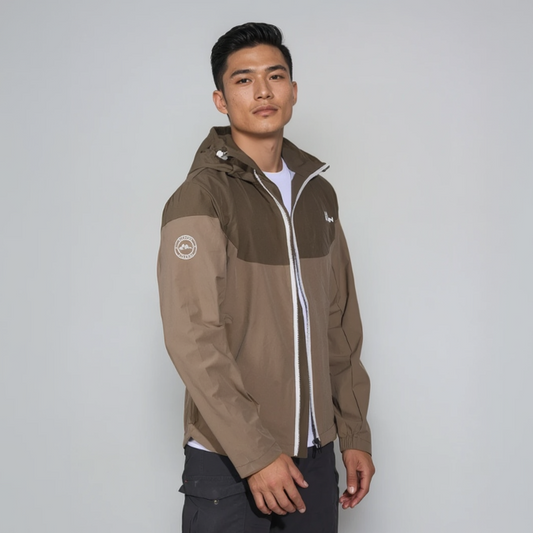
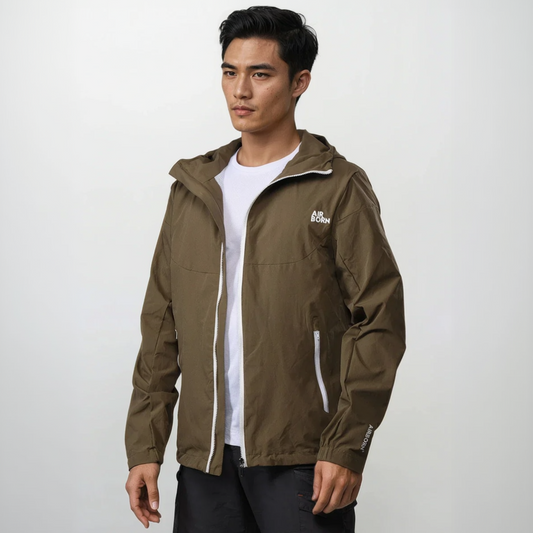
Good shoes, quality socks, breathable clothing, and a lightweight trekking jacket all contribute to a better experience outdoors.
When your gear works with you rather than against you, every trail feels more enjoyable.
Blisters are one of the most common trekking problems—but they're also one of the easiest to prevent.
With the right footwear, better socks, and a little preparation, you can spend less time thinking about your feet and more time enjoying the adventure.
Because the best treks are remembered for the views, not the discomfort.
That's why Airborn supports adventurers not only through outdoor gear but also through practical trail knowledge that helps every journey feel more comfortable and rewarding.
The trail may end here, but the adventure continues. Stay tuned for the next Airborn blog as we explore more destinations, outdoor skills, and stories from life on the trail.